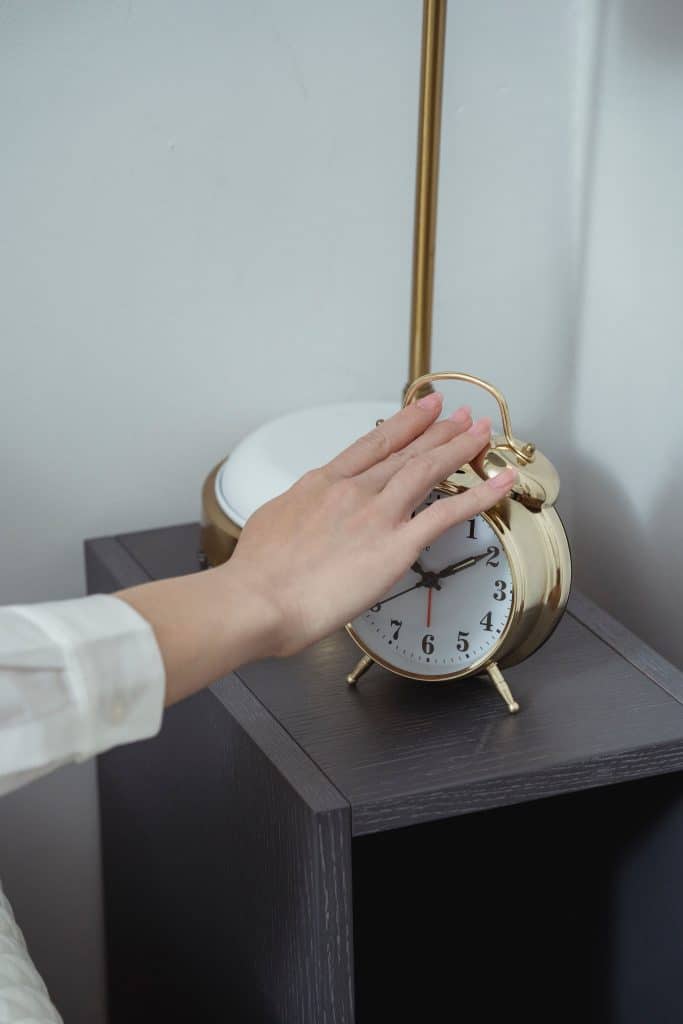
In my practice, I regularly see patients who believe they have insomnia because they wake between 1:00 and 3:00 in the morning. Sometimes that awakening does reflect sleep apnea, hormonal symptoms, pain, reflux, nocturia, alcohol use, anxiety, or another treatable problem. But waking during this window is not automatically abnormal.
For some people, it may represent an ancient pattern known as segmented sleep, biphasic sleep, or simply first and second sleep.
Rumi wrote:
“The breeze at dawn has secrets to tell you. Don’t go back to sleep.”
Many religious traditions have recognized the hours before dawn as a powerful time for prayer and contemplation. I think of it as an angelic time—not because science has identified an “angel hormone,” but because the brain and body are in a distinctly different state than they are during the day.
The Biochemistry of the Night
Between 1:00 and 3:00 a.m., most conventionally timed sleepers remain within their biological night. Melatonin is generally elevated, helping coordinate circadian rhythms throughout the brain and body. Cortisol remains relatively low, although it will begin rising later in preparation for morning awakening.
Prolactin is also closely linked to sleep and may remain elevated during prolonged nighttime rest. In Thomas Wehr’s classic long-darkness experiment, healthy adults naturally developed two sleep periods separated by one to three hours of calm wakefulness. Their melatonin secretion expanded across the longer night, producing a state very different from anxious, hyperaroused insomnia.
Sleep architecture also changes as the night progresses. The first part of the night contains more slow-wave sleep, which supports physical restoration and growth hormone secretion. The later portion becomes increasingly rich in REM sleep, which is involved in memory, emotion, and dream processing. A person may therefore awaken between sleep cycles after much of the deepest sleep has already occurred, while still remaining within a melatonin-rich, inward-facing state.
This may help explain why prayer, reflection, dreams, and spiritual concerns can feel unusually vivid during these hours.
First Sleep and Second Sleep
Historian A. Roger Ekirch identified hundreds of references to “first sleep” and “second sleep” in diaries, literature, medical writings, and court records. Before artificial lighting became widespread, people commonly slept for several hours, awakened around midnight, and later returned to sleep until morning.
Ekirch described the interval as:
“A time of unusual serenity.”
During that period, people prayed, reflected on dreams, read, talked with family, completed quiet household tasks, or had sexual intercourse. They did not necessarily consider themselves insomniac. The awakening was simply part of the night.
That historical mindset matters. A modern patient who wakes at 2:00 a.m. often immediately thinks, Something is wrong. Tomorrow will be ruined. That fear increases vigilance, activates the nervous system, and makes returning to sleep more difficult.
Our ancestors may have responded with acceptance instead of alarm.
What Modern Research Suggests
The 2025 review in Sleep Medicine argues that sleep may need to be understood as more personalized than we once believed. The authors describe several possible healthy patterns, including consolidated nighttime sleep, two nighttime sleep periods, and nighttime sleep combined with a daytime nap. Chronotype, age, occupation, total sleep requirement, and natural napping tendency may all influence which pattern works best.
This does not mean everyone should intentionally divide their sleep. Poorly timed biphasic sleep can worsen fatigue, circadian misalignment, mood, metabolism, and cognitive performance. The goal remains adequate, restorative sleep and good daytime function.
How to Determine What Works for You
First, look at the whole night rather than focusing only on the awakening. Someone who sleeps four hours, remains calmly awake for an hour, and then sleeps another four hours may still obtain adequate rest. If energy, mood, cognition, and physical recovery remain good, the pattern may be functioning well.
Next, distinguish calm wakefulness from true insomnia. A potentially normal awakening is quiet, non-anxious, and followed by a return to sleep. Insomnia usually involves racing thoughts, clock-watching, physical tension, frustration, and daytime impairment.
Protect the biological night by keeping lights dim and avoiding phones, email, television, and intense exercise. Prayer, slow breathing, contemplative reading, or quiet journaling are more compatible with returning to sleep.
Do not force second sleep. There is no reason to set an alarm at 2:00 a.m. or intentionally deprive yourself of rest. The point is to remove fear from a spontaneous awakening, not manufacture one.
It can also help to track sleep for two to four weeks, including bedtime, awakenings, alcohol, caffeine, naps, morning energy, mood, and daytime performance. Consumer sleep trackers may add context, but how you function remains more important than a wearable’s sleep-stage estimate.
Persistent awakenings should be evaluated when accompanied by snoring, gasping, hot flashes, reflux, pain, nocturia, palpitations, anxiety, depression, or significant daytime fatigue.
My Perspective
I do not believe there is one perfect sleep schedule for every patient.
For many people, a consolidated seven-to-nine-hour night remains ideal. Others may benefit from a short afternoon nap. A smaller group may naturally experience first and second sleep.
The important lesson is that waking between 1:00 and 3:00 a.m. does not automatically mean your sleep is broken.
Sometimes the body is signaling a problem that needs attention. At other times, it may be moving through a pattern humans recognized for centuries.
When the awakening is calm, total sleep is sufficient, and daytime function remains strong, do not immediately treat the night as an enemy. Keep the room dark. Put down the phone. Breathe. Pray. Listen.
Perhaps, as Rumi suggested, the night has secrets to tell you.