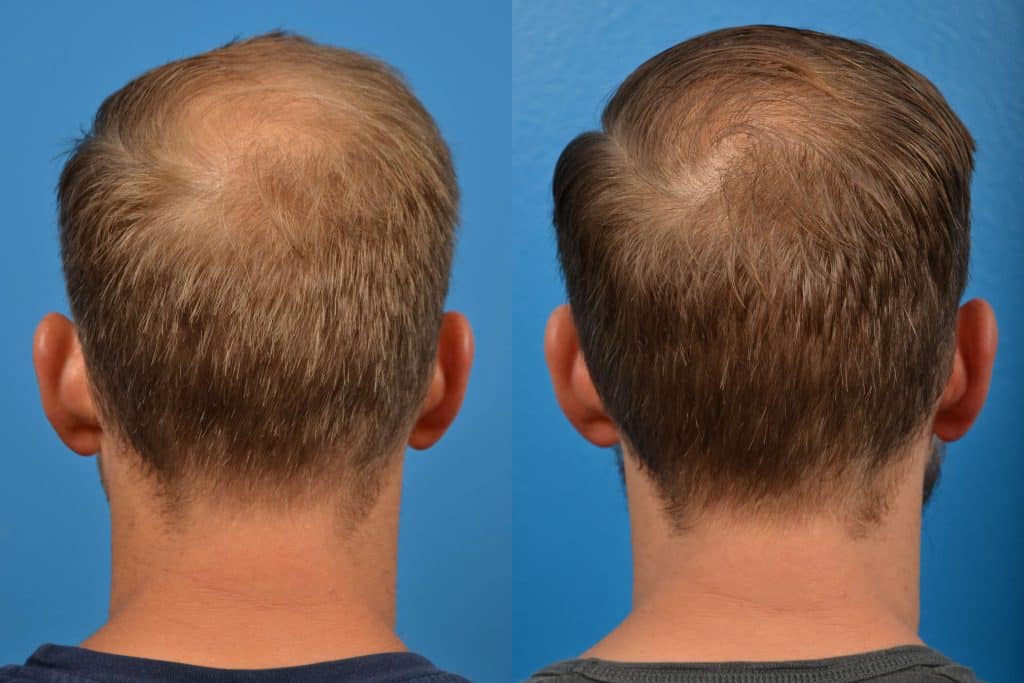
Hair loss is one of the earliest and most emotionally frustrating signs of aging physiology for many patients.
And while most people think of hair loss as simply a cosmetic issue, the reality is often much deeper.
Hair health is influenced by:
- hormones,
- inflammation,
- circulation,
- nutrient status,
- stress physiology,
- mitochondrial function,
- aging,
- scalp health,
- and regenerative capacity.
At The Hormone Zone, together with our regenerative aesthetics philosophy through DermeZone and our broader longevity work at The Longevity Protocol, we approach hair restoration very differently than many traditional clinics.
We do not simply ask:
“How do we force hair to grow?”
We ask:
“Why did the hair stop thriving in the first place?”
Because healthy hair is often a reflection of deeper physiologic health.
Hair Loss Is Usually Multifactorial
One of the biggest misconceptions about hair loss is believing there is only one cause.
In reality, hair thinning often involves a combination of:
- hormonal decline,
- DHT sensitivity,
- inflammation,
- poor circulation,
- stress,
- thyroid dysfunction,
- insulin resistance,
- nutrient deficiencies,
- aging-related regenerative decline,
- and impaired scalp signaling.
This is why simply taking a medication alone often produces incomplete results.
At The Hormone Zone, we frequently evaluate:
- testosterone,
- estrogen,
- thyroid physiology,
- metabolic health,
- inflammatory markers,
- body composition,
- stress physiology,
- and overall longevity biomarkers
when assessing hair loss.
Because the scalp does not exist independently from the rest of the body.
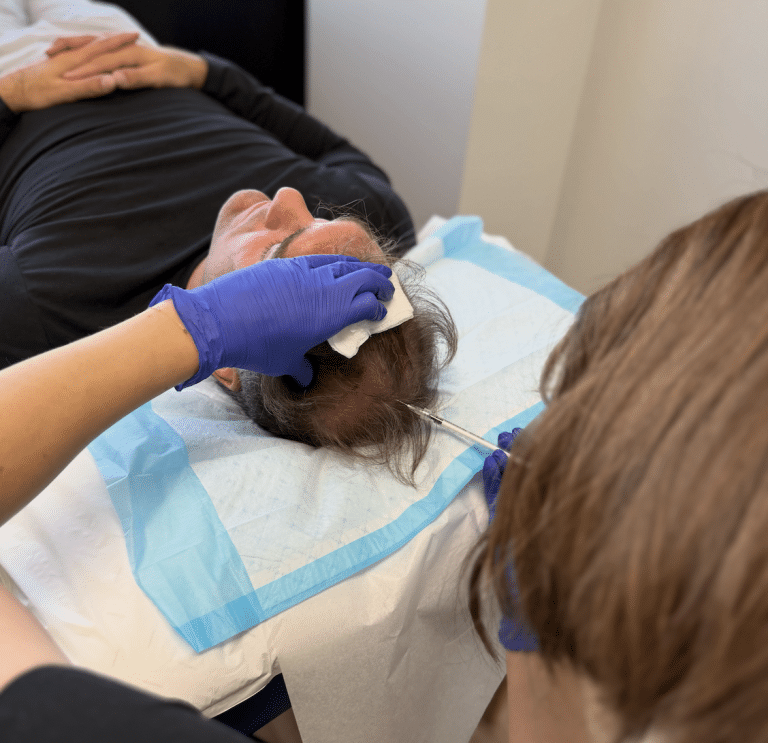
What Role Does Regenerative Medicine Play?
Regenerative medicine attempts to support the biologic environment surrounding the hair follicle itself.
This may involve improving:
- tissue signaling,
- blood flow,
- collagen integrity,
- growth factor activity,
- scalp health,
- and follicular support physiology.
At The Hormone Zone and DermeZone, regenerative aesthetics is not simply about appearance.
It is about improving tissue quality and biologic vitality.
Hair follicles are living structures.
Like all tissues in the body, they respond to:
- inflammation,
- circulation,
- hormonal signaling,
- and regenerative support.
Stem Cell and HCT/P-Based Hair Restoration
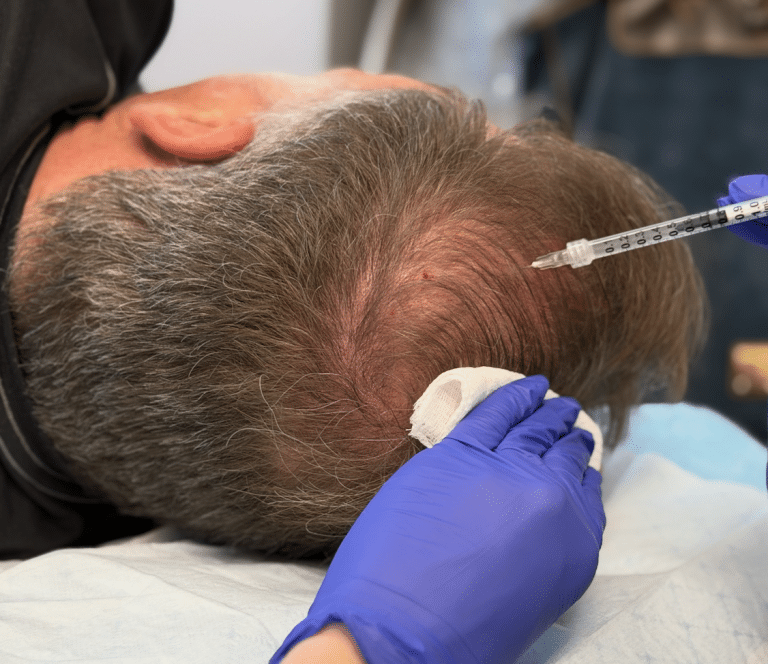
Modern regenerative medicine has increasingly explored the role of HCT/P-derived biologic therapies in supporting scalp and hair restoration procedures.
These regenerative biologic approaches may help support:
- scalp tissue quality,
- healing physiology,
- follicular signaling,
- blood supply,
- and overall regenerative activity surrounding the follicle environment.
At The Hormone Zone, our regenerative medicine philosophy strongly emphasizes biologic quality and safety.
This is why regenerative therapies are carefully selected from:
- AATB-certified facilities,
- GMP-compliant manufacturing environments,
- and FDA-cleared tissue processing facilities.
We believe sourcing integrity matters tremendously in regenerative medicine and regenerative aesthetics.
Why Hormones Matter So Much for Hair
One of the biggest overlooked aspects of hair restoration is hormonal physiology.
Hair is highly hormone-sensitive tissue.
Changes in:
- testosterone,
- DHT,
- estrogen,
- progesterone,
- thyroid hormones,
- cortisol,
- and insulin sensitivity
can all dramatically influence hair growth cycles and follicular health.
At The Hormone Zone, we frequently see patients whose hair loss improves only after:
- optimizing hormones,
- improving thyroid function,
- reducing inflammation,
- improving sleep,
- improving metabolism,
- and restoring physiologic balance.
This is why hair restoration should rarely be viewed as a purely cosmetic issue alone.
Thyroid Function and Hair Loss
Thyroid dysfunction is one of the most overlooked contributors to hair thinning and poor hair quality.
Patients with:
- hypothyroidism,
- Hashimoto’s,
- poor T4-to-T3 conversion,
- metabolic dysfunction,
- or chronic inflammation
often experience:
- diffuse thinning,
- brittle hair,
- slowed growth,
- and poor follicular resilience.
At The Hormone Zone, our broader thyroid optimization philosophy strongly influences how we approach hair restoration.
Healthy metabolism supports healthy follicles.
Inflammation Ages the Hair Follicle
Chronic inflammation affects virtually every tissue in the body—including the scalp.
Inflammation may contribute to:
- poor blood flow,
- oxidative stress,
- impaired follicular signaling,
- collagen degeneration,
- and accelerated follicular aging.
This is one reason why patients with:
- obesity,
- insulin resistance,
- chronic stress,
- poor sleep,
- smoking history,
- and metabolic dysfunction
often experience accelerated hair loss.
At The Longevity Protocol, we strongly believe healthy aging requires reducing systemic inflammation and improving the body’s regenerative environment overall.
Regenerative Aesthetics Is About Tissue Quality
At DermeZone and The Hormone Zone, regenerative aesthetics is fundamentally different from traditional cosmetic medicine.
We are not simply trying to “cover up aging.”
We are trying to improve:
- tissue quality,
- collagen signaling,
- regenerative physiology,
- circulation,
- cellular communication,
- and overall biologic vitality.
Hair restoration fits naturally into this broader regenerative philosophy.
Because healthier tissue generally functions better.
What About PRP vs Stem Cell Approaches?
Patients often ask about the difference between:
- PRP,
- growth factor therapies,
- exosome-related approaches,
- and HCT/P regenerative strategies.
These therapies attempt to influence tissue signaling differently.
At The Hormone Zone, we believe regenerative medicine should never rely on simplistic “one-size-fits-all” thinking.
Some patients may benefit from:
- hormonal optimization,
- regenerative biologics,
- peptide support,
- scalp-focused therapies,
- nutritional optimization,
- or combined approaches.
Hair restoration is often most successful when the entire biologic environment improves.
Hair Restoration Is Also About Longevity
One of the most important shifts occurring in modern medicine is recognizing that appearance often reflects deeper physiology.
Patients frequently notice:
- hair thinning,
- skin aging,
- muscle loss,
- poor recovery,
- fatigue,
- and metabolic decline
all occurring together.
Why?
Because these are often interconnected signs of declining regenerative physiology.
At The Longevity Protocol, we increasingly view:
- hair quality,
- skin quality,
- body composition,
- recovery,
- cognition,
- and vitality
as reflections of the body’s overall biologic resilience.
Who Is a Good Candidate?
Patients experiencing:
- early thinning,
- androgenic hair loss,
- stress-related shedding,
- hormonal hair loss,
- aging-related thinning,
- postpartum thinning,
- or inflammatory scalp changes
may benefit from comprehensive evaluation.
At The Hormone Zone, we strongly believe candidacy should involve:
- hormonal assessment,
- metabolic evaluation,
- inflammatory assessment,
- thyroid evaluation,
- and regenerative planning
rather than simply selling a cosmetic procedure.
The Goal Is Healthier, More Resilient Tissue
Ultimately, regenerative hair restoration is not simply about vanity.
It is about tissue vitality.
At The Hormone Zone, together with DermeZone, RegeneZone, and The Longevity Protocol, our philosophy is centered on helping patients preserve:
- vitality,
- confidence,
- regenerative capacity,
- tissue quality,
- and healthy aging physiology overall.
Because healthy hair is often a reflection of a healthier biologic system.
And that is ultimately what regenerative aesthetics is truly about.