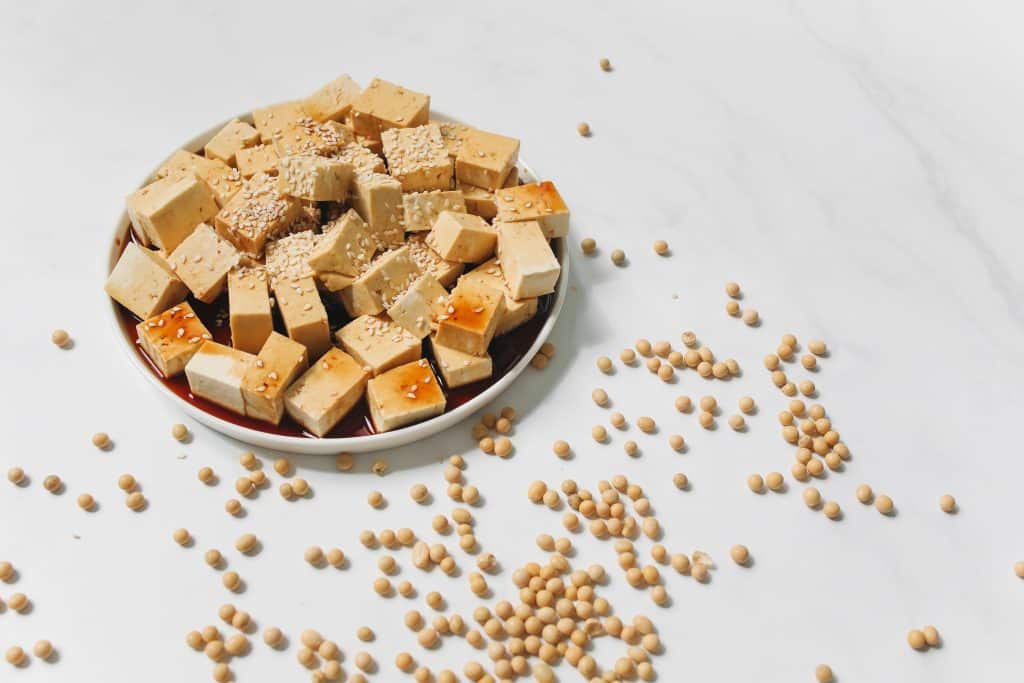
For years, women were told to fear soy because it “acts like estrogen.” Unfortunately, this oversimplified message ignored how soy actually behaves in the human body and failed to distinguish between traditional whole soy foods and modern industrialized soy products.
A recent review published in Nutrients adds to the growing body of evidence suggesting that real soy foods may actually support breast health rather than harm it.
The key issue is understanding that soy is not human estrogen. Soy contains phytoestrogens — primarily genistein and daidzein — that behave very differently than estradiol. In many cases, these compounds appear to act more like selective estrogen modulators, meaning they may help regulate estrogen signaling rather than excessively stimulate it.
Why Soy May Be Protective for Breast Tissue
Breast tissue contains two primary estrogen receptors:
- ER-alpha (more proliferative)
- ER-beta (more regulatory and balancing)
Soy isoflavones appear to preferentially bind to ER-beta receptors. This matters because ER-beta signaling is generally associated with anti-inflammatory and anti-proliferative effects within breast tissue.
In simple terms, soy may help “buffer” or regulate stronger estrogen stimulation rather than intensify it.
This becomes especially important in modern women dealing with:
- insulin resistance
- obesity
- chronic inflammation
- poor estrogen detoxification
- gut dysbiosis
- environmental xenoestrogen exposure
All of these factors can worsen estrogen imbalance and increase excessive proliferative signaling.
Interestingly, large human population studies consistently fail to show increased breast cancer risk from traditional soy intake. In many studies, women consuming traditional soy foods actually demonstrate lower recurrence rates and improved breast health outcomes.
The Gut and Liver Connection
One of the most overlooked aspects of breast health is estrogen metabolism.
It is not simply about how much estrogen a woman has — it is about how effectively estrogen is metabolized, detoxified, and eliminated.
The liver and gut microbiome play enormous roles here.
Poor gut health can increase beta-glucuronidase activity, leading to estrogen recirculation back into the body rather than proper elimination. Chronic constipation, dysbiosis, insulin resistance, and fatty liver disease all worsen this process.
Soy appears capable of supporting healthier estrogen metabolism pathways while simultaneously improving insulin sensitivity and reducing inflammatory signaling.
Even more interesting is the role of the microbiome in converting soy compounds into equol, a metabolite associated with stronger ER-beta activity and potentially greater protective effects. Women with healthier microbiomes appear better able to derive these benefits.
This is one reason why breast health should never be viewed in isolation. The gut, liver, metabolic system, and hormonal system are deeply interconnected.
Why Real Soy Is Different Than Industrial Soy
This distinction is absolutely critical.
Traditional soy foods include:
- tempeh
- miso
- natto
- tofu
- edamame
These foods contain fiber, minerals, polyphenols, peptides, and naturally balanced phytonutrients within a complete food matrix. Many are also fermented, which improves digestibility and changes how the compounds interact biologically.
Industrialized soy products are entirely different.
These include:
- soy protein isolate
- textured vegetable protein
- ultra-processed protein bars
- concentrated soy additives
- isolated soy isoflavone supplements
During industrial processing:
- fiber is removed
- protein structures are altered
- compounds become unnaturally concentrated
- the natural food matrix is disrupted
This creates a very different physiologic response.
Much of the fear surrounding soy originated from rodent studies and isolated genistein experiments using doses far beyond what humans would consume through traditional foods. Those findings were then generalized to all soy exposure, despite human studies repeatedly showing very different outcomes.
In many ways, industrial soy is to traditional soy what high fructose corn syrup is to fruit — they are not metabolically equivalent.
Practical Action Steps for Better Breast Health
The conversation about breast health should move beyond simplistic “soy is good” or “soy is bad” thinking. Context matters.
Here are practical strategies women can implement immediately:
Focus on Whole Soy Foods
If you tolerate soy well, prioritize traditional forms:
- organic tofu
- tempeh
- miso
- natto
- edamame
Avoid ultra-processed soy products and isolated soy protein additives whenever possible.
Support Estrogen Detoxification
Healthy estrogen metabolism is critical for breast health. Focus on:
- daily fiber intake
- cruciferous vegetables
- hydration
- regular bowel movements
- adequate protein intake
- limiting alcohol excess
Nutrients that support estrogen detoxification may include:
- DIM
- calcium-D-glucarate
- sulforaphane
- magnesium
- methylated B vitamins
Optimize Gut Health
The microbiome directly influences estrogen recycling and inflammation.
Prioritize:
- fermented foods
- prebiotic fiber
- probiotic diversity
- minimizing ultra-processed foods
- reducing unnecessary antibiotics
A healthier gut often translates into healthier hormone signaling.
Improve Metabolic Health
Insulin resistance is one of the biggest overlooked drivers of hormonal imbalance and breast tissue proliferation.
Focus on:
- strength training
- preserving lean muscle mass
- reducing visceral fat
- stabilizing blood sugar
- increasing protein intake
- improving sleep quality
Metabolic health and breast health are deeply connected.
Reduce Environmental Estrogen Burden
Minimize exposure to:
- plastics
- endocrine disruptors
- excessive alcohol
- ultra-processed foods
- chronic inflammatory lifestyle factors
Reducing total estrogenic burden may help create a healthier hormonal environment overall.
The Bigger Takeaway
The real issue is not whether soy is “estrogenic.” The real issue is whether the body is metabolically healthy enough to process hormones appropriately.
Traditional whole soy foods consumed within a healthy lifestyle appear to behave very differently than industrialized soy products consumed within a modern inflammatory dietary pattern.
For many women, the goal should not be avoiding all phytoestrogens out of fear. The goal should be restoring metabolic resilience, gut integrity, estrogen detoxification, and overall physiologic balance.
Within that context, real soy may actually be one of the more misunderstood allies in women’s breast health.