By Dr. John A. Robinson, NMD
For decades, we’ve been told that a vitamin D level above 30 ng/mL is considered “normal.” But in medicine, “normal” and “optimal” are rarely the same thing. My goal has never been simply to prevent deficiency—I want to optimize physiology. That is why, for many years, I have recommended maintaining serum 25-hydroxyvitamin D levels between 50 and 70 ng/mL for most healthy adults, particularly those concerned about osteoporosis, longevity, and preserving mobility as they age.
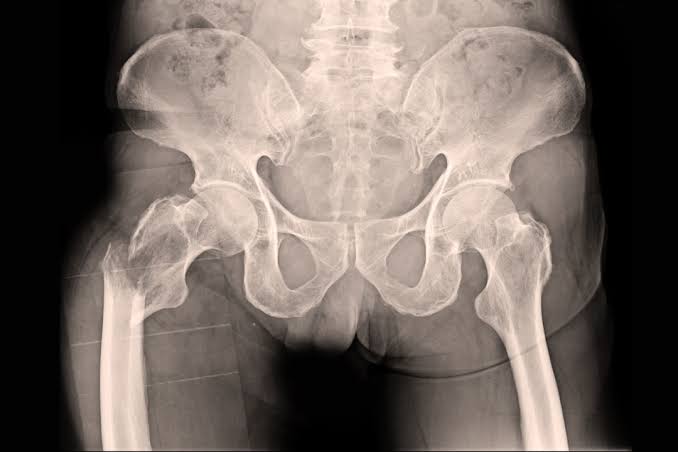
A recent 2026 study published in the Journal of Orthopaedic Case Reports reinforces just how important vitamin D is for fracture prevention. Investigators evaluated elderly patients admitted with fragility hip fractures and found that 72% were vitamin D deficient, with most having levels below 20 ng/mL. Even more interesting, the severity of vitamin D deficiency appeared to influence not only the risk of fracture but also the specific type of hip fracture patients sustained.
These findings support what many of us have observed clinically: vitamin D is far more than a vitamin. It is a hormone that plays a central role in maintaining the integrity of the musculoskeletal system.
Vitamin D Protects More Than Bone
Most people associate vitamin D with calcium absorption, but its effects extend well beyond bone density. It influences bone remodeling, muscle strength, neuromuscular coordination, balance, and fall prevention. A fracture rarely occurs because of weak bone alone. It usually results from the combination of diminished bone strength and an increased likelihood of falling.
As vitamin D levels decline, calcium absorption decreases, secondary hyperparathyroidism develops, bone turnover accelerates, muscle function deteriorates, and balance becomes impaired. The result is a skeleton that is more fragile and a body that is more likely to fall—a dangerous combination that dramatically increases fracture risk.
What This Study Found
The investigators categorized vitamin D levels into four groups:
- Severe deficiency: <10 ng/mL
- Moderate deficiency: 10–20 ng/mL
- Insufficiency: 20–30 ng/mL
- Sufficiency: >30 ng/mL
Their findings were striking.
Nearly three-quarters of all patients with hip fractures were vitamin D deficient, and moderate deficiency accounted for the majority of cases. Only 14% of patients had vitamin D levels above 30 ng/mL. More importantly, vitamin D status was significantly associated with fracture subtype. Patients with moderate deficiency most commonly sustained intertrochanteric fractures, while severe deficiency was disproportionately associated with femoral neck fractures, suggesting progressively worsening skeletal fragility as vitamin D levels decline.
While this was a relatively small observational study, it reinforces a consistent message seen throughout the orthopedic literature: vitamin D deficiency remains one of the most common—and most modifiable—risk factors for fragility fractures.
Is “Normal” Good Enough?
This study defined vitamin D sufficiency as greater than 30 ng/mL, which is consistent with many conventional guidelines. However, the investigators were evaluating fracture patterns, not attempting to identify the optimal vitamin D concentration for preventing fractures.
That distinction is important.
A laboratory reference range identifies the point at which overt deficiency becomes less likely. It does not necessarily identify the level at which human physiology performs at its best.
For that reason, my clinical target has remained 50–70 ng/mL for many years. Rather than simply avoiding deficiency, I want patients to have sufficient vitamin D to support bone remodeling, muscle performance, balance, immune regulation, and healthy aging. Although no single study establishes this exact range as superior, I believe it provides a practical target for optimizing musculoskeletal health while remaining well within a safe physiological range for most individuals.
Vitamin D Is Only One Piece of the Puzzle
The authors appropriately acknowledge that fracture risk depends on much more than vitamin D alone. They identify several additional factors that influence fracture risk, including bone mineral density, sarcopenia, diabetes, chronic kidney disease, nutritional status, smoking, alcohol use, corticosteroid medications, and rehabilitation quality.
This mirrors how I approach patients in my practice. Vitamin D is never evaluated in isolation. It is one component of a comprehensive strategy that includes hormone optimization, resistance training, adequate protein intake, proper mineral balance, and preservation of muscle mass.
Healthy bone requires healthy muscle. Strong bones without strength or balance still fracture.
My Clinical Strategy for Fracture Prevention
Rather than focusing on a single laboratory value, I recommend a comprehensive approach that supports both bone and muscle health:
- Maintain serum 25-hydroxyvitamin D between 50 and 70 ng/mL
- Consume adequate dietary protein to preserve lean muscle mass
- Optimize calcium and magnesium intake
- Incorporate regular resistance and balance training
- Evaluate bone density when clinically appropriate
- Correct hormonal deficiencies, including estrogen or testosterone when indicated
- Consider vitamin K2 as part of a comprehensive bone health program
When these factors are addressed together, we are not simply treating osteoporosis—we are improving the biology that allows people to remain active, independent, and resilient throughout life.
The Bottom Line
This study confirms that vitamin D deficiency is extraordinarily common among older adults who sustain hip fractures and that more severe deficiency is associated with more severe fracture patterns.
While the authors defined vitamin D sufficiency as levels above 30 ng/mL, my clinical objective has long been to maintain patients between 50 and 70 ng/mL. I believe this range provides a greater opportunity to optimize bone health, muscle function, balance, and overall musculoskeletal resilience. The goal should never be simply to avoid deficiency. The goal should be to create the strongest biological foundation possible—long before a fracture ever occurs.
Reference
Dhattarwal V, Ranjan R, Kumar R, Tetarwal AK, Jeyaraman N, Jeyaraman M. Association of Different Levels of Vitamin D Deficiency and Hip Fracture in Indian Population: A Cross-sectional Study. Journal of Orthopaedic Case Reports. 2026;16(7):491–496.