August 2026

pexels miriam alonso 7623546

Don’t Go Back to Sleep: The Forgotten Meaning of Waking Between 1 and 3 A.M. | Educational Purposes Only

In my practice, I regularly see patients who believe they have insomnia because they wake between 1:00 and 3:00 in the morning. Sometimes that awakening does reflect sleep apnea, hormonal symptoms, pain, reflux, nocturia, alcohol use, anxiety, or another treatable problem. But waking during this window is not automatically abnormal. For some people, it may represent […]

Don’t Go Back to Sleep: The Forgotten Meaning of Waking Between 1 and 3 A.M. | Educational Purposes Only Read More »

2025bosch 78

How Much Sex Is Best for Longevity? A Study of 17,000 Adults May Have the Answer | Educational Purposes Only

By Dr. John A. Robinson, NMD When we think about the pillars of longevity, we usually focus on exercise, nutrition, sleep, stress management, and metabolic health. These are unquestionably important, but there is another aspect of human health that is often overlooked: sexual wellness. Many people think of sex as simply a quality-of-life issue. However,

How Much Sex Is Best for Longevity? A Study of 17,000 Adults May Have the Answer | Educational Purposes Only Read More »

Vaginal Dryness 1

Beyond Vaginal Dryness: The Hormone Zone® Method for Restoring Vaginal Health After Menopause | Educational Purposes Only

By Dr. John A. Robinson, NMD Menopause changes much more than a woman’s menstrual cycle. It changes how she feels in her own body. Vaginal dryness develops, intimacy becomes uncomfortable, urinary symptoms become more frequent, and many women begin avoiding sexual activity because they anticipate pain. Too often, they are told these symptoms are simply

Beyond Vaginal Dryness: The Hormone Zone® Method for Restoring Vaginal Health After Menopause | Educational Purposes Only Read More »

images

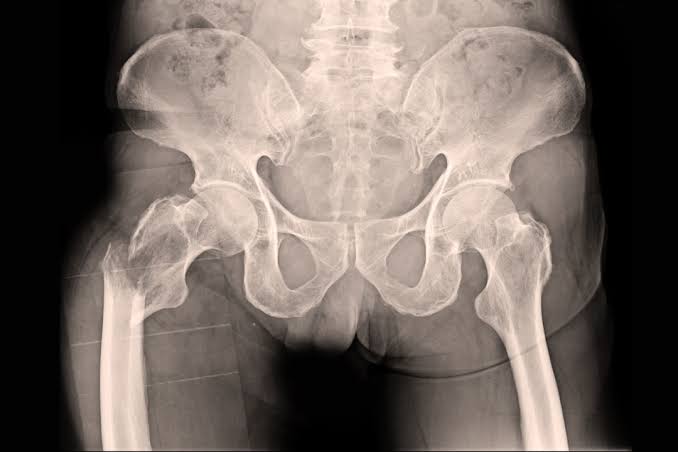
Vitamin D and Hip Fracture Prevention: Why I Target 50–70 ng/mL | Educational Purposes Only

By Dr. John A. Robinson, NMD For decades, we’ve been told that a vitamin D level above 30 ng/mL is considered “normal.” But in medicine, “normal” and “optimal” are rarely the same thing. My goal has never been simply to prevent deficiency—I want to optimize physiology. That is why, for many years, I have recommended

Vitamin D and Hip Fracture Prevention: Why I Target 50–70 ng/mL | Educational Purposes Only Read More »

Accessibility Toolbar

Scroll to Top